
More Information
Submitted: January 31, 2022 | Approved: March 30, 2022 | Published: March 31, 2022
How to cite this article: Chowhan S, Islam M, Sultana R, Eadun Nabi KM, Ghosh SR, et al. Magnitude of aphid infestation, root rot and rust disease of lentil. J Plant Sci Phytopathol. 2022; 6: 015-021.
DOI: 10.29328/journal.jpsp.1001068
Copyright License: © 2022 Chowhan S, et al. This is an open access article distributed under the Creative Commons Attribution License, which permits unrestricted use, distribution, and reproduction in any medium, provided the original work is properly cited.
Keywords: Binamasur; BARI Masur; Foot and root rot; Rust; Aphid; Magura

Magnitude of aphid infestation, root rot and rust disease of lentil
Sushan Chowhan1*, Majharul Islam2, Mst. Rokeya Sultana3, KM Eadun Nabi4, Shampa Rani Ghosh5, Md. Foysal Ahmmed6 and Hossain Md. Ferdous7
1Adaptive Research and Extension Division, Bangladesh Institute of Nuclear Agriculture (BINA), Sub-station, Ishurdi, Pabna-6620, Bangladesh
2Soil Science Division, BINA, Mymensingh-2202, Bangladesh
3Plant Breeding Division, BINA Sub-station, Magura-7600, Bangladesh
4Plant Pathology Division, BINA, Mymensingh-2202, Bangladesh
5Entomology Division, BINA, Mymensingh-2202 Bangladesh
6Plant Breeding Division, BINA Sub-station, Nalitabari, Sherpur-2110, Bangladesh
7Adminstration Section, BINA, Mymensingh-2202, Bangladesh
*Address for Correspondence: Sushan Chowhan, Adaptive Research and Extension Division, Bangladesh Institute of Nuclear Agriculture (BINA), Sub-station, Ishurdi, Pabna-6620, Bangladesh, Email: [email protected]
Lentil is the major cultivated pulse crop of Bangladesh. Even if there are available high-yielding modern varieties of this crop but because of the higher yield gap, its demand is largely met by import. Thus, to evaluate the pest-related factors of low yield seven modern lentil varieties viz. Binamasur-5, Binamasur-8, Binamasur-9, Binamasur-10, BARI Masur-5, BARI Masur-6, and BARI Masur-8 were assessed to enquire the extent of aphid infestation, foot rot and rust disease incidence, and severity on seed yield. The experiment was laid out in a Randomized complete block design during Rabi season at BINA Sub-station, Magura. Data on insects and disease were recorded at definite SMW (standard meteorological week) and DAS (days after sowing). Outcomes divulged that maximum aphid infestation (number of aphids/plant) was noted between 7th to 9th SMW; where BARI Masur-6 had significantly lowest infestation level on 7th and 8th SMW. Summative foot rot disease incidence (%) was most in Binamasur-8 and Binamasur-9, but least in BARI Masur-6 and Binamasur-5. For rust, the highest incidence (%) was recorded with Binamasur-8 and Binamasur-5; contrary the lowest was seen with BARI Masur-6 and BARI Masur-8. Severity index (DSI) of foot and root rot was abundant by Binamasur-8 (72.89%) and Binamasur-9 (71.56%); conversely, Binamasur-10 (52.11%) and BARI Masur-8 (50%) had scarce DSI. In the case of rust, BARI Masur-5 (74.00%) showed top DSI accompanied by Binamasur-8 (58.33%). The utmost seed yield of 8.25 g/plant was produced by Binamasur-10; in contrast, the least was yielded by Binamasur-8 (5.45 g/plant). Weather factors (temperature, relative humidity, rainfall) were positively related to the number of aphids per plant. However, seed yield was negatively affected by aphid population, foot rot, and rust disease incidence. Overall, Binamasur-10 corroborated having better resilience to biotic and abiotic factors for delivering desirable economic yield
Lentil (Lens culinaris Medik.) or Masur is the leading pulse crop regarding area and production in Bangladesh. Over 4% of the total cultivated land area is covered by pulse crops here. It is termed poor man’s meat because of its high protein 28%, carbohydrates 59%, fiber, other vitamin and mineral contents [1]. Because of insufficient production, every year a handsome amount of pulses are being imported from Australia, Canada, India, China, Nepal, and Turkey [2]. Globally mean productivity of lentil is nearly 1.30 t/ha and in India, it is about 0.90 t/ha [3]. The mean national yield of lentil was 1.25 t/ha in the country; whereas in the Magura district the average yield was 1.20 t/ha from 2019 to 20 [3,4]. Though many high-yielding stress-tolerant varieties have been released their potential yield is yet to achieve mainly due to region, soil characteristics, biotic (insect pest, disease, etc.), and abiotic factors.
Lentil is susceptible to a large number of insect pests and diseases which causes a significant amount of plant mortality and yield loss [5]. Varietal tolerant or resistant to specific pest disease is an additional advantage of a cultivar by which it can escape or overcome the adverse effects of the infestation. More than eight (8) insect pests and forty-six (46) diseases of five pulse crops (lentil, chickpea, mungbean, grass pea, and cowpea) have been reported so far in Bangladesh [2]. The pest status of each insect varies greatly among regions. Loss of crops might rely on species characters, landscape context, and patch size [6]. The field insect pests of lentil include- aphids, cutworms, thrips, bud weevil, pod borers, and in storage, species of seed beetles Bruchus and Callosobruchusspp.; these pests can cause severe damage to lentil [7]. Among them, aphids (Aphis craccivora) are serious enemy insects that can affect 25% - 50% of standing plants. Aphids heavily fed on plant parts except for roots by sucking sap and also act as vectors of many viruses [8]. Aphid infestation results in less flower set, stunted growth, few pods, and at the ultimate stage smaller plants may die [9].
In Bangladesh, over 40% of lentil plants are seriously wiped out by foot and root rot (FRR) disease [10,11]. There are many root-related diseases of lentil during their growing period. Such as- foot and rot root or wet root rot disease which is caused by Rhizoctonia solani [12,13], collar rot by Sclerotium rolfsii [14], dry root rot by Rhizoctonia bataticola [15], Pythium ultimatum and P. debarinum [5], black root rot by Fusarium solani, [16], Aphanomyces root rot by Aphanomyces euteiches [17] and black streak root rot by Thielaviopsis basicola [18]. Though the above pathogens cause rot disease of the roots, Fusarium oxysporum and Sclerotium rolfsii initiated FRR are frequently observed in the tropical and subtropical regions [19]; which may incur complete yield loss (100%) of lentil [20]. Root rot is the most devastating soil-borne disease which mostly occurs during the seedling stage and sometimes at maturity stages. The disease is characterized by sudden drying of the plant without showing any yellowing, as seen in wet root rot. Infected plants are easily pulled out due to rotten secondary and minor roots. The Colour of the affected roots is ash and has humorous black, minute sclerotia on and inside the affected root, which turns the roots brownish to black in appearance [5].
Rust caused by Uromyces viciae-fabae [21] is another widespread foliar disease of lentil in countries like- Ethiopia, Morocco, Chile, Ecuador, Bangladesh, India, and Pakistan, which can result in crop damage of up to 100% i.e. complete failure of the crop [22]. An extent of 60% - 69% loss of yield was reported by this disease in India [23,24]. It occurs during the early flowering or pod initiation stage in fields and plants look dark brown to blackish. In typical infected plants, pustules can be seen on the leaf blade, petiole, and stem. Symptoms start with the formation of yellowish-white pycnidia and aecial cups on the lower surface of leaflets and on pods that are single or in small groups in a circular shape. At a severe stage, plants shed leaves and dry prematurely without the formation of seeds [25].
Though aphid is a minor pest its indirect damage to crops is endless due to its virus transmissible behavior; contrary FRR and Rust are the two major diseases of lentil in Bangladesh [26-28] which is very common each year. Both the above insect pest and diseases affect the lentil growers economically. Thus, to reduce crop loss in an environmentally and economically feasible manner selection and cultivation of the aforementioned insect pest and disease resistant or tolerant varieties are the best option. Considering this situation, the present research trial was aimed to find out the suitable high-yielding variety of lentil which can attain desirable seed yield beneath the above infestations.
Experimental area
The experiment was conducted at BINA Sub-station farm, Magura which was under the Agro-Ecological Zone 11 (AEZ) and belonged to the high Ganges river flood plain; the land type was high to medium. Soils were calcareous dark grey floodplain soils and calcareous brown floodplain soils. Organic matter content in brown ridge soils is low but higher in dark grey soils. Soils were slightly alkaline in reaction and overall fertility level was less [29].
Crop and field management
This was a Rabi season experiment. The trial plot was prepared as per the procedure described by Chowhan and Nahar [30]. Fertilizers were applied considering low soil analysis interpretation level and applied on soil in accordance with Ahmmed, et al. [16]. Unit plot size was 3 m × 1.5 m; where line to line and plot to plot distance were 30 cm and 60 cm respectively. Seeds were line broadcasted at the rate of 40 Kg/ha i.e. 10,000m2 on 21st November 2019. Before sowing of seeds they were treated with Provax 200 WP (Carboxin 17.5%) + Thiram 17.5%) of Hossain Enterprise C.C. Limited at a rate of 3 g/Kg of seeds. After sowing no fungicide or insecticide was applied up to harvest. Hand weeding was done 30 days after sowing (DAS) and excess plants were thinned and mulched to maintain desired plant population [31].
Experimental design
A randomized complete block design (RCBD) with 3 replicates was followed for the experiment setup. Replication to Replication distance was 1m. The only variety was the treatment. There were 7 lentil varieties namely—
V1 = Binamasur-5, V2 = Binamasur-8, V3 = Binamasur-9, V4 = Binamasur-10, V5 = BARI Masur-5, V6 = BARI Masur-6 V7 = BARI Masur-8.
Thus, the total number of treatment combinations was 21 so, altogether 21 unit plots were assigned.
Data collection and analysis
For a collection of insect (aphid) data, randomly 10 plants were selected from each plot for counting the aphid population. Data collection was done at weekly standard meteorological week (SMW) intervals starting from the appearance of pests to their disappearance. The aphid population was counted in the morning hours after the dews dried. From the gathered data average population were calculated with the below formula [9]-
Average number of aphids per plant =
Here “a” indicates the number of aphids obtained per plant.
Weather data such as temperature, rainfall, and relative humidity were collected from BINA [32] and Ghosh, et al. [33].
Disease-related data were collected from 10 sampled plants. Disease incidence (%) were recorded at 30 DAS, 45 DAS, 60 DAS, 75 DAS, and 90 DAS by the following formula [34]-
Lentil disease incidence (%) = (Number of infected plants/Total number of plants) × 100
The prevalence of foot rot disease was measured by observation of disease incidence and severity of overall field symptoms. Disease severity was determined using the descriptive type assessment key. Foot and root rot of lentil varieties were evaluated as per the scale (Table 1) described by Nene, et al. [35].
| Table 1: Foot and root rot defining scale details. | ||
| Scale value | mortality (%) | Impression |
| 1 | 0 | Resistant |
| 2-3 | ≤10 | Moderately Resistant |
| 4-5 | 11-20 | Tolerant |
| 6-7 | 21-50 | Moderately Susceptible |
| 8-9 | ≥ 51 | Susceptible |
Leaf rust of lentil varieties was assessed according to the scale (Table 2) explained by Khare, et al. [22].
| Table 2: Rust defining scale details. | ||
| Scale value | Symptoms | Impression |
| 1 | No pustules visible | Highly Resistant |
| 3 | Few scattered pustules are usually seen after careful searching | Resistant |
| 5 | Pustules are common on leaves and easily observed but cause no apparent damage | Moderately Resistant |
| 7 | Pustules are very common and damaging, few pustules on petioles and stems | Susceptible |
| 9 | Pustules are very extensive on all plant parts, some die of leaves and other plant parts | Highly Susceptible |
The core values of the diseases were then converted to the disease severity index for non-parametric measurements [36] and expressed in percentage. The disease severity index (DSI) was calculated as per the formula applied by Das, et al. [12]
At final harvest, the seed yield of ten plants was taken from each plot and the average was calculated to express as yield per plant (g) at a 10% moisture basis. All collected data (insect and disease) were statistically separately analyzed with the ANOVA (analysis of variance) technique through Statistics 10 software [37]. The significance of the mean difference was compared by the LSD (least significant difference) test [38,39] at a 5% or 10% level of probability.
Aphid population at different SMW
Initially, at the 5th SMW mean the number of aphids per plant was seen as lower but it increased over time (Table 3). The maximum aphid population was observed between 8th SMW to 9th SMW. At 8th SMW, a significantly higher and alike number of aphid infestation was recorded in Binamasur-9 (V3), Binamasur-8 (V2), and BARI Masur-8 (V7). Aphid numbers in the varieties were found non-significant at 9th SMW and 10th SMW. But, on the 11th SMW aphids gradually disappeared.
| Table 3: Aphid population and pod borer infestation among the lentil varieties during 2020 at Magura Sub-station. | ||||||||||||||||
| SMW | Date and month | Number of Aphids/plant | LSD0.10 | LoS | SEm(±) | Temp. (°C) | RH (%) | Rainfall (mm) | ||||||||
| V1 | V2 | V3 | V4 | V5 | V6 | V7 | Max. | Min. | Morn. | Even. | ||||||
| 05 | 29 Jan. - 04 Feb. | 7.50 a | 6.90 ab | 5.5 abc | 5.00 abc | 3.84 bc | 2.39 c | 5.80 abc | 3.42 | 0.1 | 1.92 | 27.1 | 9.02 | 99.2 | 36.55 | 0.15 |
| 06 | 05 Feb. - 11 Feb | 13.00 ab | 15.40 a | 12.00 ab | 9.00 bc | 14.34 a | 5.45 c | 12.89 ab | 5.18 | 0.1 | 2.91 | 27.28 | 9.88 | 98.9 | 35.5 | 0.20 |
| 07 | 12 Feb. - 18 Feb | 17.50 cd | 26.15 abc | 34.50 a | 19.00 bc | 21.66 bc | 9.94 d | 27.88 ab | 8.99 | 0.1 | 5.05 | 30.85 | 13.09 | 99.8 | 42.9 | 0.00 |
| 08 | 19 Feb. - 25 Feb | 25.17 ab | 32.83 a | 33.83 a | 22.33 ab | 26.83 ab | 13.17 b | 29.67 a | 16.07 | 0.1 | 9.02 | 32.43 | 14.34 | 100 | 40.7 | 0.6 |
| 09 | 26 Feb. - 04 Mar | 37.33 | 36.83 | 19.33 | 23.67 | 23.83 | 31.00 | 25.33 | 19.75 | NS | 11.078 | 32.48 | 15.34 | 100 | 44.3 | 25.6 |
| 10 | 05 Mar.- 11 Mar | 11.33 | 10.00 | 13.17 | 9.50 | 14.00 | 13.83 | 10.00 | 7.18 | NS | 4.03 | 32.18 | 14.98 | 100 | 37.2 | 1.8 |
| 11 | 12 Mar.- 18 Mar | 0.33 ab | 0.00 b | 1.26 a | 1.00 ab | 0.00 b | 0.00 b | 0.50 ab | 1.21 | 0.1 | 0.68 | 34.89 | 16.94 | 98.3 | 37.5 | 0.00 |
| Figures in a column having different letter (s) differ significantly at 10% level of probability according to LSD. LoS: Level of Significance, SEm: Standard Error mean, RH: Relative Humidity | ||||||||||||||||
Variation in aphid population was mostly due to weather-related factors i.e. temperature, rainfall, humidity, etc. Sowing time and variety might also be a potential reason for deviation in a number of aphids/plants; which was well studied by Islam [40]. Furthermore, El Fakhouri, et al. [41] annotated similar results on the population dynamics of pea aphid (Acyrthosiphon pisum Harris) infested at different SMW on lentil cultivars.
Disease incidence (%) and score
Foot and root rot disease incidence (%) was the most at 30 DAS (Table 4). Eventually, the disease declined as plants established and became strong. Thus, incidence (%) was minimized at 45 DAS; but at 60 DAS the infection suddenly accelerated which was weakened at 75 DAS and 90 DAS. Cumulative plant mortality with foot and root rot was higher in Binamasur-8 (V2) and Binamasur-9 (V3); contrary, BARI Masur-6 (V6) and Binamasur-5 (V1) had the least mortality i.e. lowest disease incidence (%). As a result, a mean disease assessment score of “5” and “4” was obtained by Binamasur-5 (V5) and BARI Masur-6 (V6) implying their tolerance against foot and root rot. Conversely, Binamasur-8 (V2) and Binamasur-9 (V3) both attained a score of “7” and “6” respectively which denoted moderate susceptibility of these varieties (Table 6).
| Table 4: Disease incidence (%) of foot and root rot of lentil. | |||||
| Variety | 30 DAS | 45 DAS | 60 DAS | 75 DAS | 90 DAS |
| Binamasur-5 (V1) | 11.67 b | 0.64 ab | 3.82 b | 1.21 b | 0.43 b |
| Binamasur-8 (V2) | 26.70 a | 1.43 a | 3.88 b | 4.19 ab | 0.00 b |
| Binamasur-9 (V3) | 16.48 ab | 0.56 ab | 8.10 a | 4.85 a | 2.72 a |
| Binamasur-10 (V4) | 12.54 b | 0.24 b | 4.94 ab | 1.78 ab | 0.65 b |
| BARI Masur-5 (V5) | 8.96 b | 0.20 b | 7.26 ab | 2.10 ab | 0.91 b |
| BARI Masur-6 (V6) | 7.65 b | 0.00 b | 4.40 ab | 2.49 ab | 0.69 b |
| BARI Masur-8 (V7) | 15.61 ab | 0.20 b | 3.84 b | 4.65 a | 0.37 b |
| LSD | 13.94 | 1.07 | 3.87 | 3.14 | 1.74 |
| Level of significance | 0.05 | 0.10 | 0.10 | 0.10 | 0.10 |
| SEm(±) | 6.40 | 0.60 | 2.17 | 1.76 | 0.97 |
| Figures in a column having different letter (s) differ significantly at 5% or 10% level of probability according to LSD. | |||||
| Table 5: Rust incidence (%) of lentil varieties. | |||||
| Variety | 30 DAS | 45 DAS | 60 DAS | 75 DAS | 90 DAS |
| Binamasur-5 (V1) | 2.01 a | 4.89 ab | 2.19 a | 2.01 a | 1.79 a |
| Binamasur-8 (V2) | 1.85 ab | 6.30 a | 1.54 ab | 2.63 a | 1.86 a |
| Binamasur-9 (V3) | 1.34 abc | 4.20 ab | 1.10 b | 1.97 a | 1.71 a |
| Binamasur-10 (V4) | 1.07 abc | 2.97 b | 1.51 ab | 1.44 a | 0.88 a |
| BARI Masur-5 (V5) | 0.97 bc | 3.98 ab | 1.50 ab | 2.09 a | 1.94 a |
| BARI Masur-6 (V6) | 0.82 c | 2.02 b | 0.88 b | 1.61 a | 1.11 a |
| BARI Masur-8 (V7) | 0.97 bc | 2.70 b | 0.59 b | 1.33 a | 1.45 a |
| LSD | 0.94 | 2.93 | 1.02 | 1.71 | 2.07 |
| Level of significance | 0.05 | 0.10 | 0.10 | 0.05 | 0.05 |
| SEm(±) | 0.43 | 1.64 | 0.57 | 0.78 | 0.95 |
| Figures in a column having a different letter (s) differ significantly and those with similar letters do not differ at a 5% or 10% level of probability according to LSD. | |||||
| Table 6: Average score of foot and root rot and rust disease*. | ||||
| Variety | Foot and root rot | Rust | ||
| Score | Impression | Score | Impression | |
| Binamasur-5 (V1) | 5 | Tolerant | 5 | Moderately Resistant |
| Binamasur-8 (V2) | 7 | Moderately Susceptible | 6 | Moderately Resistant |
| Binamasur-9 (V3) | 6 | Moderately Susceptible | 4 | Resistant |
| Binamasur-10 (V4) | 5 | Tolerant | 4 | Resistant |
| BARI Masur-5 (V5) | 5 | Tolerant | 7 | Susceptible |
| BARI Masur-6 (V6) | 4 | Tolerant | 3 | Resistant |
| BARI Masur-8 (V7) | 6 | Moderately Susceptible | 3 | Resistant |
| *based on a scale of 1-9 as per Table 1 and Table 2. | ||||
Foot rot is a soil-borne disease that occurs commonly during the seedling stage. So, at 30 DAS disease infection was abundant. But at later growth stages, the disease incidence (%) was reduced. Farhana, et al. [42] ascertained that disease incidence (%) of foot rot was dependent on location, cultivar type, and age. Which is conferred by the current results.
In the case of rust disease incidence (%), a mixed trend was observed (Table 5). During the early stage (30 DAS) symptoms were less as leaves were not fully developed in all plants. But, at 45 DAS highest incidence (%) was noted within all the varieties. At 90 DAS, when the plants reached to maturity stage; incidence (%) was reduced. It was remarkably noticed that except 45 DAS rate of rust incidence (%) remained in a more or less stable state. Collective incidence (%) of rust was most in Binamasur-8 (V2) followed by Binamasur-5 (V1) and least in BARI Masur-6 (V6) followed by BARI Masur-8 (V7) and Binamasur-10 (V4). The average score of least rust infected varieties was thus identical (score 3). Whereas, a score of “7” was gained by BARI Masur-5 followed by Binamasur-8 (score 6) (Table 6).
Differences in rust incidence (%) may be attributed to varietal character, growth stages, and favorable disease-causing conditions (biotic and abiotic). Negussie and Pretorius [43] ascribed that rust severity (%) increased subsequently up to 86 DAS in lentil.
Disease severity index
Regarding foot and root rot, Binamasur-8 and Binamasur-9 showed statistically highest and identical DSI (%) whereas, comparatively lowest and alike DSI (%) was observed with BARI Masur-8 and Binamasur-10. DSI (%) of rust was the most in BARI Masur-5. Reversely, the least and statistically equal percent of DSI was seen with the rest five varieties excluding Binamasur-8 which had a medium level of DSI (%) (Table 7).
| Table 7: Disease severity index (%) of lentil varieties. | ||
| Variety | Foot and root rot | Rust |
| Binamasur-5 (V1) | 55.33 bc | 38.44 c |
| Binamasur-8 (V2) | 72.89 a | 58.33 b |
| Binamasur-9 (V3) | 71.56 a | 35.78 c |
| Binamasur-10 (V4) | 52.11 c | 34.33 c |
| BARI Masur-5 (V5) | 67.78 ab | 74.00 a |
| BARI Masur-6 (V6) | 54.33 bc | 31.89 c |
| BARI Masur-8 (V7) | 50.00 c | 33.22 c |
| LSD | 14.91 | 13.58 |
| Level of significance | 0.05 | 0.10 |
| SEm(±) | 6.84 | 7.62 |
| Figures in a column having a different letter (s) differ significantly and those with similar letters do not differ at a 5% or 10% level of probability according to LSD. | ||
Changes in DSI may have occurred due to individual variety, growth stage, maturity duration and susceptibility, tolerance or resistance to some specific biotic and abiotic factors. Farhana, et al. [42] concluded that variation in disease severity (%) was contingent upon soil properties of the experimental location, plant growth stage, and variety. Which conforms to the present results.
Seed yield
With aphid, foot rot, and rust effects significant distinctions in seed yield of the studied lentil varieties were noted. Binamasur-10 produced the utmost amount of seed yield per plant followed by BARI Masur-8 and BARI Masur-5. Contrary, the least seed yield was obtained from the variety Binamasur-8 followed by Binamasur-9 (Figure 1).
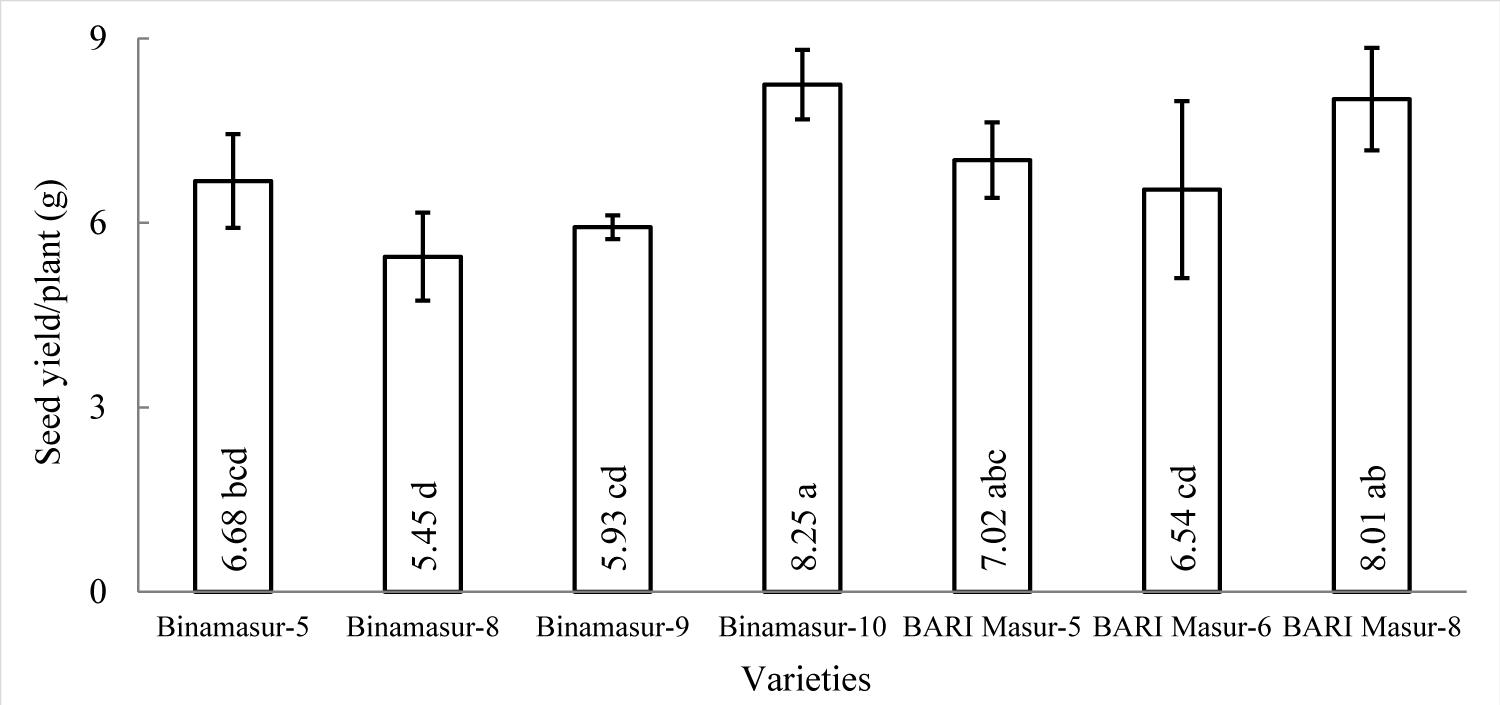
Figure 1: Seed yield of different lentil varieties at final harvest.
The seed yield of the varieties depended on several factors during their life cycle. Insect infestation and disease incidence or severity were different among the varieties; hence yield was more or less deviated. Alteration in seed yield may have fluctuated due to physiological, genotypic, and agronomic properties among varieties. Binamasur-8 and Binamasur-9 were much affected by the aphid, foot rot, and rust compared to the other varieties which ultimately reflected in seed yield. Roy, et al. [44] indicated differences in seed yield of multiple accessions of lentil due to the genotypic, growing season, location, and stress factors.
Correlation coefficient and regression equation for aphid population and weather factors
Different weather parameters had correlation with the number of aphids per plant in lentil. SMW (r = -0.063) has negative correlation, maximum (r = 0.130) and minimum (r = 0.167) temperature (°C) (Table 8) have positive correlation with number of aphids in lentil.
| Table 8: Correlation coefficient and regression equation for aphid number and weather parameters. | |||
| Weather parameters | Correlation coefficient | Regression equation | |
| R² value | R - value | ||
| SMW | 0.004 | -0.063345531 | y = -0.3129x + 17.64 |
| Max. Temp. (°C) | 0.017 | 0.130373844 | y = 0.4828x + 0.1563 |
| Min. Temp. (°C) | 0.0279 | 0.166934257 | y = 0.609x + 6.995 |
| Morn. RH (%) | 0.6665 | 0.816412292 | y = 12.946x - 1272.4 |
| Even. RH (%) | 0.6869 | 0.828823625 | y = 2.5978x - 86.791 |
| Rainfall (mm) | 0.2972 | 0.545179814 | y = 0.6109x + 12.663 |
| ‘y’ denotes the mean number of aphids per plant and ‘x’ denotes the respective weather parameter(s). | |||
Salve, et al. [45] reported that the aphid population exhibited a non-significant positive correlation with maximum and minimum temperature (°C). Zada, et al. [46] observed that the correlation between the C. Pomonella population and weather parameters revealed that mean maximum temperature showed a significant positive association.
In contrast, morning RH (r = 0.816), evening RH (r = 0.829), and rainfall (r = 0.545) had a strong positive correlation with the number of aphids per plant in lentil.
Kumar and Kumar [47] found similar results as populations of aphids were positively influenced by relative humidity. Salve, et al. [45] reported that the aphid population showed a highly significant positive correlation with morning relative humidity and evening relative humidity and a positive correlation with rainfall.
Relationship between seed yield and aphid population
The predicted linear regression line was displayed a downward slope, i.e. y = -13.217x + 387.69, with regression coefficient R2 = 0.5054, where ‘y’ denoted the predicted seed yield of the crop and ‘x’ stood for mean aphid population per plant. The estimated regression line indicated that with the unit rise in the aphid population, there existed possibilities of seed yield reduction by 13.217 g/m2 (Figure 2).
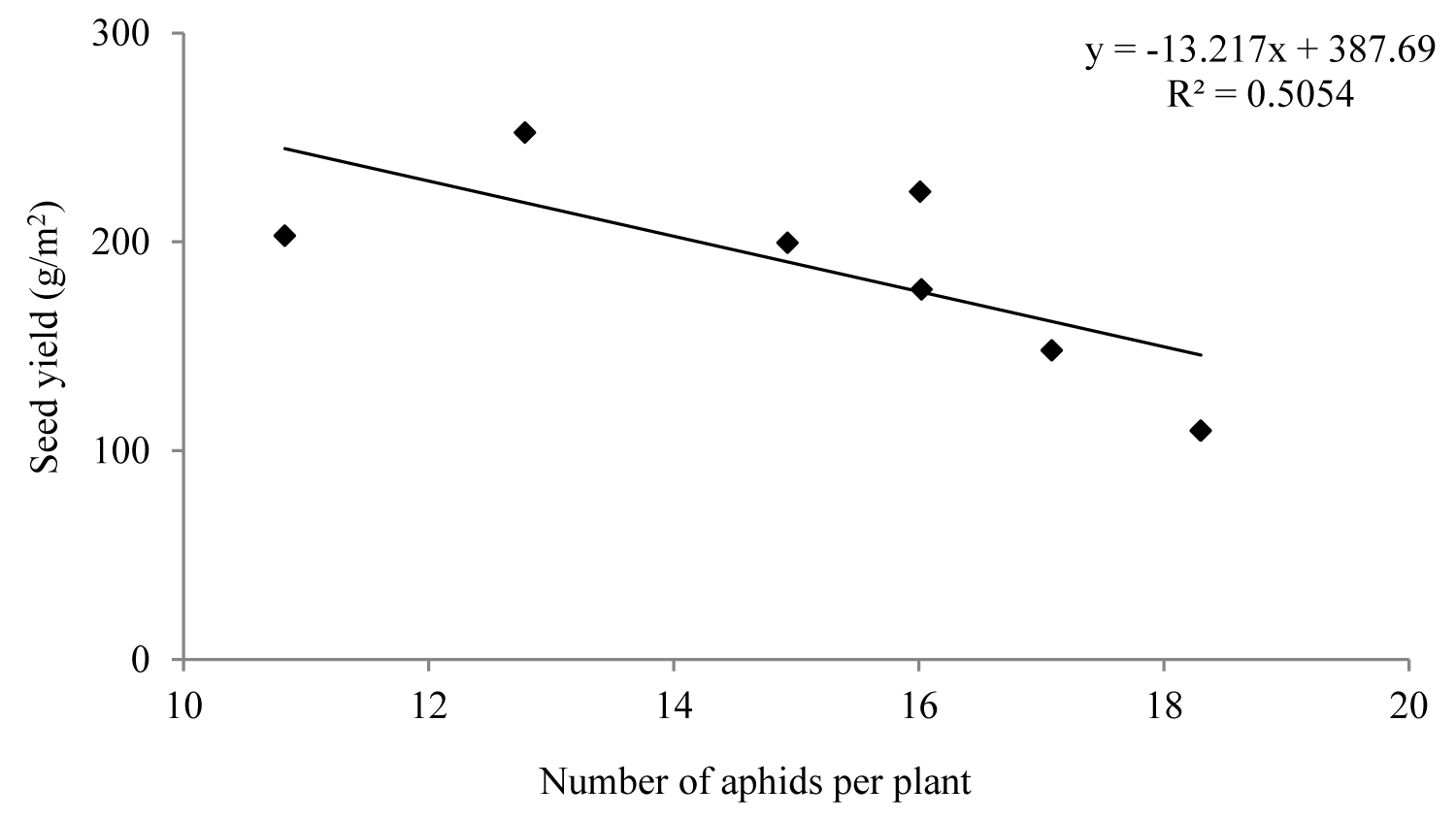
Figure 2: Relationship between yield and mean aphid population per plant in lentil varieties.
Neupane, et al. [8] noted a unit rise in the aphid population might reduce seed yield by 9.584 kg/ha. Agrawal, et al. [48] also observed that significant and positive correlation between yield loss and aphid density. Paudel, et al. [49] detected a significant relationship between pea, aphid density, and relative economic yield for the plants infested during the reproductive stage (45 days after emergence).
Relationship between seed yield and disease incidence
The predicted linear regression lines were displayed a downward slope, i.e. y = -4.377x + 291.57, with regression coefficient R2 = 0.5269, where ‘y’ denoted predicted seed yield of the crop and ‘x’ stood for disease severity incidence of foot and root rot and y = -12.787x + 314.17, with regression coefficient R2 = 0.5269, where ‘y’ denoted predicted seed yield of the crop and ‘x’ stood for disease incidence in case of rust. The estimated regression line indicated that with the unit rise in disease incidence, there existed possibilities of seed yield reduction by 4.377 g/m2 and 12.787 g/m2 (Figure 3).
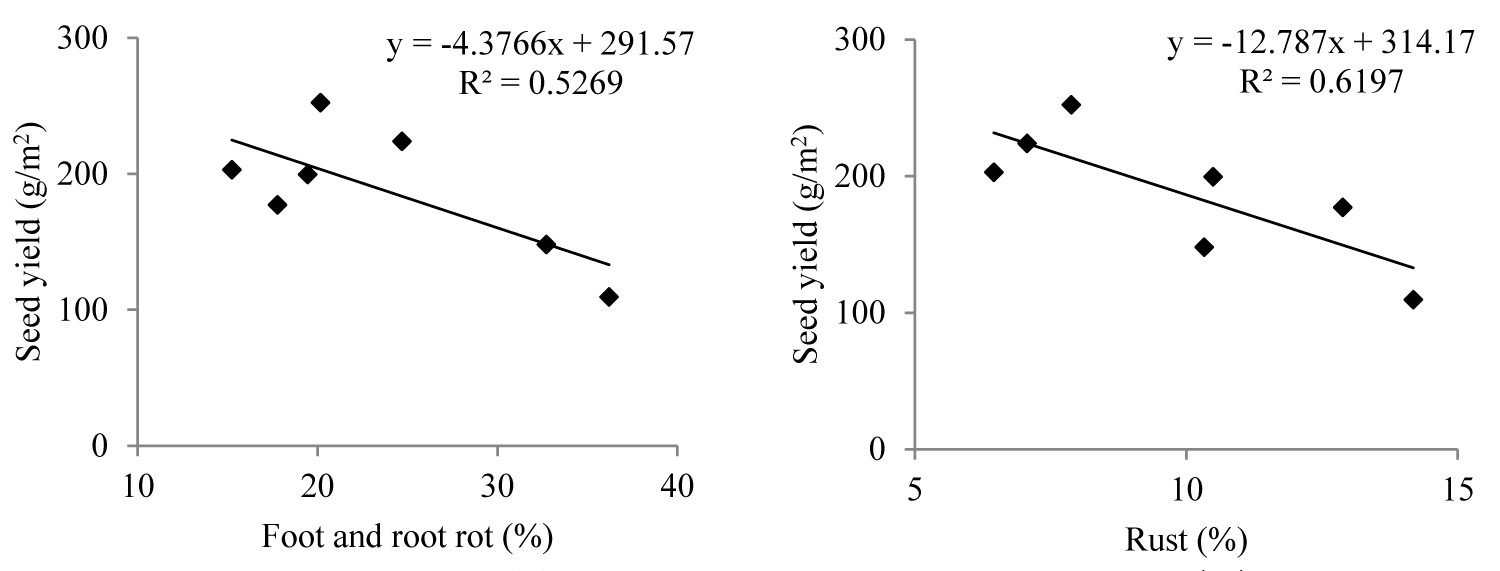
Figure 3: Link between seed yield and disease incidence in lentil.
Seed yield was negatively related to increase in foot rot and rust disease incidence percent. A downward declination in the yield was attributable to the enhanced intensity of the diseases. These outcomes are in agreement with the findings of Bedasa and Zewdie [50], who found a significant negative correlation between disease incidence with seed and biomass yield among lentil varieties.
In terms of economic yield, Binamasur-10 and BARI Masur-8 performed better without surrendering seed yield against insects and disease. Though Binamasur-8 is a popular and well-accepted variety by the farmers it showed greater proneness to insect and disease infestation which eventually affected yield. Rest varieties may also have potential high yielding capability under pesticide application but Binamasur-10 had better tolerance and resistance to the prevailed biotic and abiotic factors which led to its superior performance. As this experiment covered a single area and season further trials are necessary to validate this finding.
We would like to express our sincere appreciation and gratitude to Md. Abu Sayed, Farm Manager, Mrinal Kumar Shil, Junior Experimental Officer, ASM Mushfiqur Rahman, SA-1, Outsourcing staffs- Akash, Shohan, Jahangir, Shahin, and labors of BINA Sub-station, Magura for their utmost cooperation throughout the experimental period. We are grateful to Dr. Md. Roknuzzaman, Senior Scientific Officer, BINA and Director of Pulses Research Center, Bangladesh Agricultural Research Institute (BARI), Ishurdi, Pabna for providing and supplying seeds of BARI developed lentil varieties. Finally, we are indebted to the Bangladesh Institute of Nuclear Agriculture for delivering the necessary support to conduct this research exploration.
- Anonymous. CGIAR Research: Areas of research; lentil (Lens culinaris M). 2003: 23.
- DAE (Department of Agricultural Extension). Pest risk analysis (PRA) of pulses in bangladesh, strengthening phytosanitary capacity in Bangladesh project plant quarantine wing, DAE, Khamarbari, Farmgate, Dhaka. 2017; 220. http://dae.portal.gov.bd/sites/default/files/files/dae.portal.gov.bd/page/902599be_5f17_4c92_9a29_676fd187c1cc/01.%202017_Final_Report_PRA_Pulse_SPCB%2C%20DAE_CRDS.pdf
- FAOSTAT. Crops and livestock products: lentil, Bangladesh. 2022. https://www.fao.org/faostat/en/#data/QCL
- BBS (Bangladesh Bureau of Statistics). Yearbook of agricultural statistics-2020. 32nd series, planning division, ministry of planning, Dhaka, Bangladesh; 2020; 92-98. https://drive.google.com/file/d/1UspiEI_SZz4qCPZUlRWE-dP3Ww68ZeL5/view?usp=sharing
- Sharma OP, Singh SK, Vennila S, Bhagat S, Saini MR, et al. Technical Bulletin no. 2014; 36.
- Collinge SK. Effects of grassland fragmentation on insect species loss, colonization, and movement patterns. Ecology. 2000. 81: 2211–2226.
- GLRP. Annual Report 2068/69 (2011/12). Grain legumes research program, NARC, Rampur, Chitwan, Nepal. 2012.
- Neupane S, Subedi S, Darai R. Field screening of lentil genotypes against aphid infestation in inner Tarai of Nepal. J Nepal Agri Res Council. 2020; 6: 79–84.
- Kishor DR, Prasad R, Moses S, Singh PP. Population dynamics of aphid and pod borer on lentil and their natural enemies during rabi Season 2017 at Pusa, Samastipur. Curr J Appl Sci Technol. 2019; 32: 1-6.
- Hoque MA, Hamim I, Haque MR, Ali MA, Ashrafuzzaman M. Effect of some fungicides on foot and root rot of lentil. Univer J Plant Sci. 2014; 2: 52-56.
- Anonymous. Annual report 1985-86. Plant Pathology Division. Bangladesh Agri Res Institute. 1986; l9.
- Das IR, Bhuiyan MKA, Jannat R, Kayesh E, Rubayet MT, et al. Effect of bio-fortified compost in controlling soil-borne diseases of lentil (Lens culinaris L.) and enhance the crop growth and yield. Advan Bio Earth Sci. 2019; 4: 93-106. Available on: http://jomardpublishing.com/UploadFiles/Files/journals/ABES/V4N2/Das%20et%20al.pdf
- Chang KF, Hwang SF, Gossen BD, Turnbull GD, Wang H, et al. Effects of inoculum density, temperature, seeding depth, seeding date and fungicidal seed treatment on the impact of Rhizoctonia solani on lentil. Canadian J Plant Sci. 2008; 88: 799-809.
- Faruk MI, Islam MM, Khatun F. Formulation of eco-friendly management package against seedling disease caused by Sclerotium rolfsii of lentil. Am J Bio Sci. 2020; 8: 65-72.
- Mitiku M. Management of root rot diseases of cool season food legumes with special emphasis on lentil (Lens culinaris), faba bean (Vicia faba) and chickpea (Cicer arietinum) in Ethiopia. J Nat Sci Res. 2017; 7: 14-20. https://www.iiste.org/Journals/index.php/JNSR/article/view/36677/37691
- Ahmed D, Shahab S. Studies on interaction of Meloidogyne incognita (kofoid and white) Chitwood and Fusarium solani (Mart.) Sacc forming a disease complex in lentil (Lens culinaris Medik.). Arch Phytopathol Plant Protection. 2018; 51: 338-348.
- Vandemark GJ, Porter LD. First report of lentil root rot caused by Aphanomyces euteiches in Idaho. Plant Dis. 2010; 94: 480-480. PubMed: https://pubmed.ncbi.nlm.nih.gov/30754501/
- Musheer N, Ashraf S, Choudhary A, Kumar M, Saeed S. Role of microbiotic factors against the soil-borne phytopathogens. 2020; 251- 280.
- Aycock R. Stem rot and other diseases caused by S. rolfsii. Technical Bulletin No. 174. Agric Expt Station North Carolina State University, Raleigh. 1966; 202.
- BARI (Bangladesh Agricultural Research Institute). Annual Report (2020-2021), BARI, Gazipur. 2021; 365-368.
- Arti J, Tripathi HS. Studies on epidemiology of lentil rust (Uromyces viciae fabae). Indian Phytopathol. 2012; 65: 67-70. http://epubs.icar.org.in/ejournal/index.php/IPPJ/article/view/16092/7836
- Khare MN, Bayaa B, Beniwal SPS. Selection methods for disease resistance in lentil, p. 107-121. In: “Breeding for Stress Tolerance in Cool-Season Food Legumes” (Singh KB, Saxena MC, eds.). John Wiley and Sons, Chichester, U.K. 1993.
- Singh K, Jhooty JS, Cheema HS. Assessment of losses in lentil yield due to rust caused by Uromyces fabae. Lens Newsletter. 1986; 13: 28. https://agris.fao.org/agris-search/search.do?recordID=QV8700014
- Sepulveda RP. Effect of rust caused by Uromyces fabae (Pers) de bary on the yield of lentil. Agric Technol. 1985; 45: 335-339.
- Garkoti A, Kumar S, Lal M, Singh V. Major diseases of lentil: epidemiology and disease management-a review. Agriways. 2013; 1: 62-64. http://www.agriwaysjournal.com/wp-content/uploads/journals/volume1.1/MAJOR%20DISEASES%20OF%20LENTIL%20EPIDEMIOLOGY%20AND%20DISEASE%20MANAGEMENT-%20A%20REVIEW.pdf
- Anonymous. Annual Report 1994-1995. Bangladesh Instit Nucl Agri. 1997; 186-189.
- Bakr MA. Check list of pulse diseases in Bangladesh. Bangladesh J Plant Pathol. 1994; 10: 13-16.
- Bakr MA, Ahmed HU, Mian MAW. Proceedings of the national workshop on Strategic intervention on plant pathological research in Bangladesh. 11-12 February 2007, Bangladesh Agricultural Research Institute, Joydebpur, Gazipur. 2007; 244.
- FRG (Fertilization Recommendation Guide). Bangladesh Agri Res Council (BARC). Farmgate, Dhaka. 2012; 1215: 01-258.
- Chowhan S, Nahar K. Evaluating the Role of Fertilizer and Seed Soaking on Direct Seeded Aus Rice Varieties. Acta Sci Agri. 2022; 6: 02-17.
- BINA. Leaflet of Binamasur-8 and Binamasur-9 (In Bengali). 2014. http://bina.portal.gov.bd/sites/default/files/files/bina.portal.gov.bd/page/e598357f_0ebb_46a4_ad26_3b0bbfc4f815/Binamasur-8%20%26%209.pdf
- BINA (Bangladesh Institute of Nuclear Agriculture). Weather status, HOBOlink- Magura. 2020. https://www.hobolink.com/p/b82909d639dbdd5f400a7f2a5b54b5a0
- Ghosh SR, Chowhan S, Roy S, Roy DC, Ali MKJ, et al. Adjusting planting time of Binadhan-17 in boro Season. J Phytol. 2021; 13: 21-27.
- Ahmed F, Hasna MK, Emon RM. Ecofriendly disease management of lentil (Lens culinaris) seedlings. Agri Sci. 2021; 12: 1555-1564.
- Nene YL, Haware MP, Reddy MV. Chickpea diseases: resistance-screening techniques. ICRISAT Information Bulletin. 1981; 10: 1-10. http://oar.icrisat.org/id/eprint/1080
- Kim HS, Hartman GL, Manandhar JB, Graef GL, Steadman JR, et al. Reaction of soybean cultivars to sclerotinia stem rot in field, greenhouse and laboratory evaluations. Crop Sci. 2000; 40: 665–669.
- Statistix. Data analysis software for researchers (Version 10.0). Analytical Software, 2105 Miller Landing Rd, Tallahassee Florida 32312, USA. 2021.
- Gomez KA, Gomez AA. Statistical producers for agricultural research. A Wiley Int. Sci. Pub. John Wiley and Sons, New York, Brisbane, Singapore. 1984; 139-240.
- Russell DF. MSTAT-C computer package programme. Crop and Soil Sci Dept, Michigan State University, US. 1986.
- Islam MS. Effect of sowing time and lentil varieties on incidence of insect pests and their predators. MS Thesis. Department of Entomology, Sher-e-Bangla Agricultural University Dhaka 1207, Bangladesh. 2009; 10-81. http://www.saulibrary.edu.bd/daatj/public/index.php/getDownload/SAU200901_75-08-03171_11.pdf
- El Fakhouri K, Sabraoui A, Kehel Z, El Bouhssini M. Population dynamics and yield loss assessment for pea aphid, Acyrthosiphon pisum (Harris) (Homoptera: Aphididae), on lentil in Morocco. Insects. 2021; 12: 1080.
- Farhana SNMD, Bivi MR, Khairulmazmi A, Wong SK, Sariah M. Morphological and molecular characterization of Phytophthora capsici, the causal agent of foot rot disease of black pepper in Sarawak, Malaysia. Int J Agri Biol. 2013; 15: 1083-1090. https://www.fspublishers.org/Issue.php?no_download=published_papers/70113_..pdf&issue_id=3185.
- Negussie TG, Pretorius ZA. Yield loss of lentil caused by Uromyces viciae-fabae. South African J Plant Soil. 2008; 25: 32-41.
- Roy S, Roy DC, Noor MMA, Ghosh SR, Ahmed F, et al. Binamasur-10, the first drought tolerant lentil variety registered in Bangladesh. Res Agri Livestock Fisheries. 2019; 6: 253-262.
- Salve RS, Sonkamble MM, Patil SK. Population dynamics of major insect pests of brinjal. Indian J Entomol. 2021; 83: 16–20.
- Zada H, Aur S, Ahmad S. Effect of abiotic factors on population dynamics of apple codling moth Cydia Pomonella (L) (Lepidoptera; Tortricidae) at Kalam Swat Pakistan. J Soil Sci Plant Physiol. 2020; 2: 128. https://www.researchgate.net/deref/https%3A%2F%2Fdoi.org%2F10.36266%2FJSSPP%2F128
- Kumar A, Kumar A. Effect of abiotic and biotic factors on incidence of pests and predator in cowpea [Vigna unguiculata (L.) walp.]. Legume Res. 2015; 38: 121-125.
- Agrawal AA, Underwood N, Stinchcombe JR. Intraspecific variation in the strength of density dependence in aphid populations. Eco Entomol. 2004; 29: 521-526.
- Paudel S, Bechinski EJ, Stokes BS, Pappu HR, Eigenbrode SD. Deriving economic models for pea aphid (Hemiptera: Aphididae) as a direct-pest and a virus-vector on commercial lentils. J Economic Entomol. 2018; 111: 2225-2232. PubMed: https://pubmed.ncbi.nlm.nih.gov/29982566/
- Bedasa T, Zewdie A. Evaluation of lentil varieties and seedbed types for the management of lentil Fusarium wilt disease (Fusarium oxysporum f. sp. lentis) in central highlands of Ethiopia. Afri J Agri Res. 2019; 14: 1012-1019.